Geography for Design
Geographical research, environmental histories and creative inquiry for landscape, architectural and urban design.
Taylor works with designers, researchers, cultural organisations and public agencies to develop deeper understandings of place.
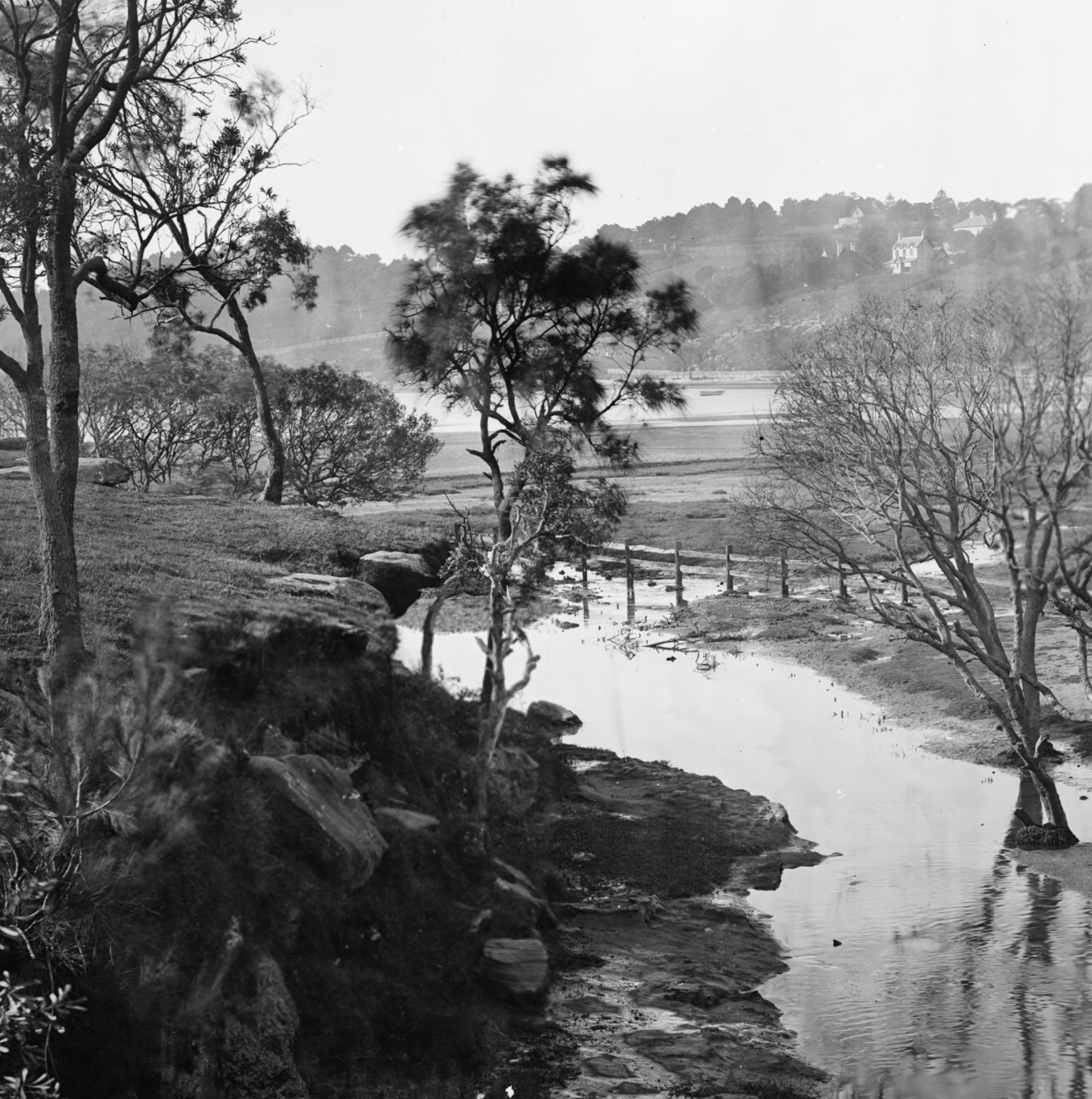
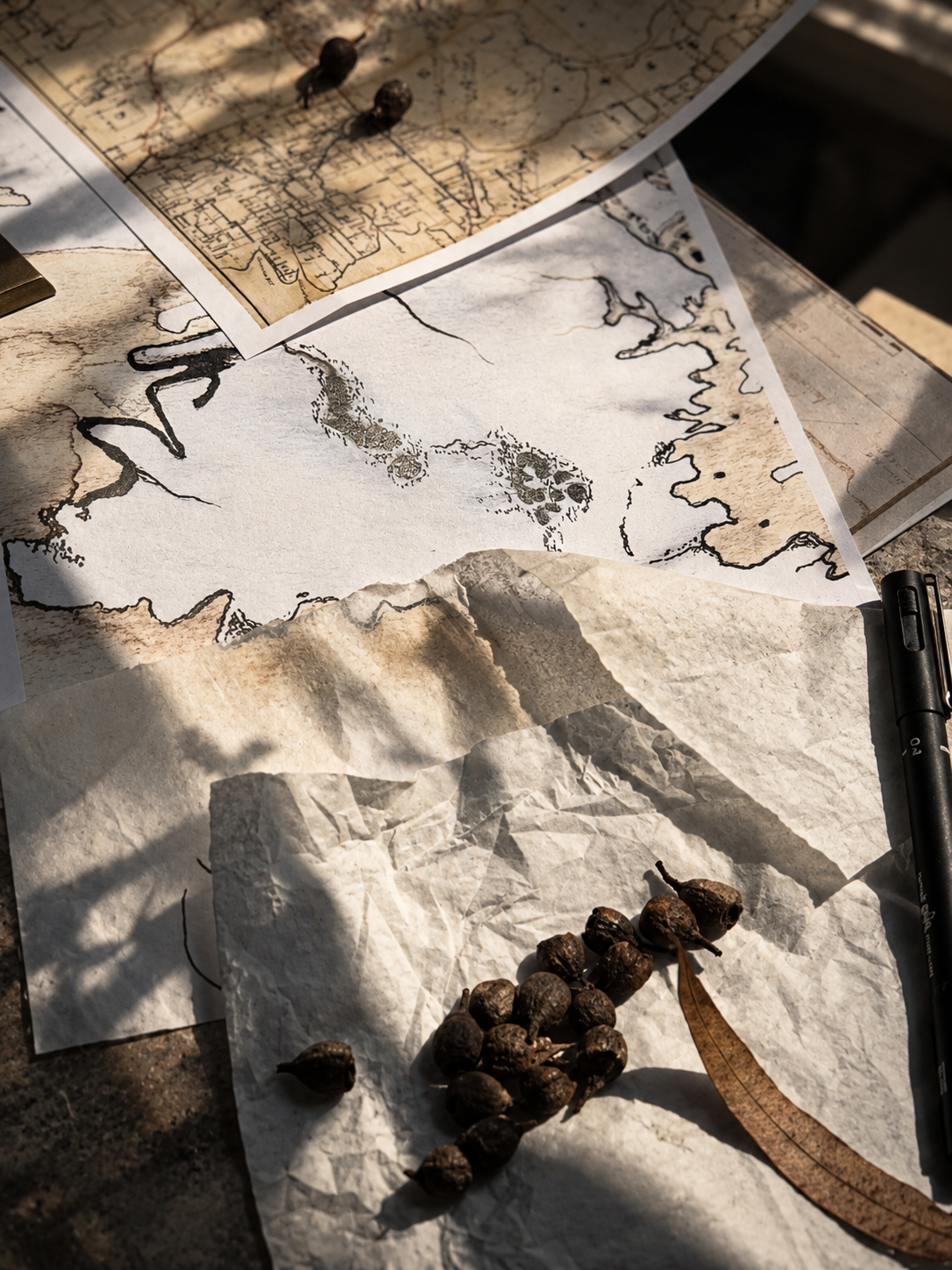
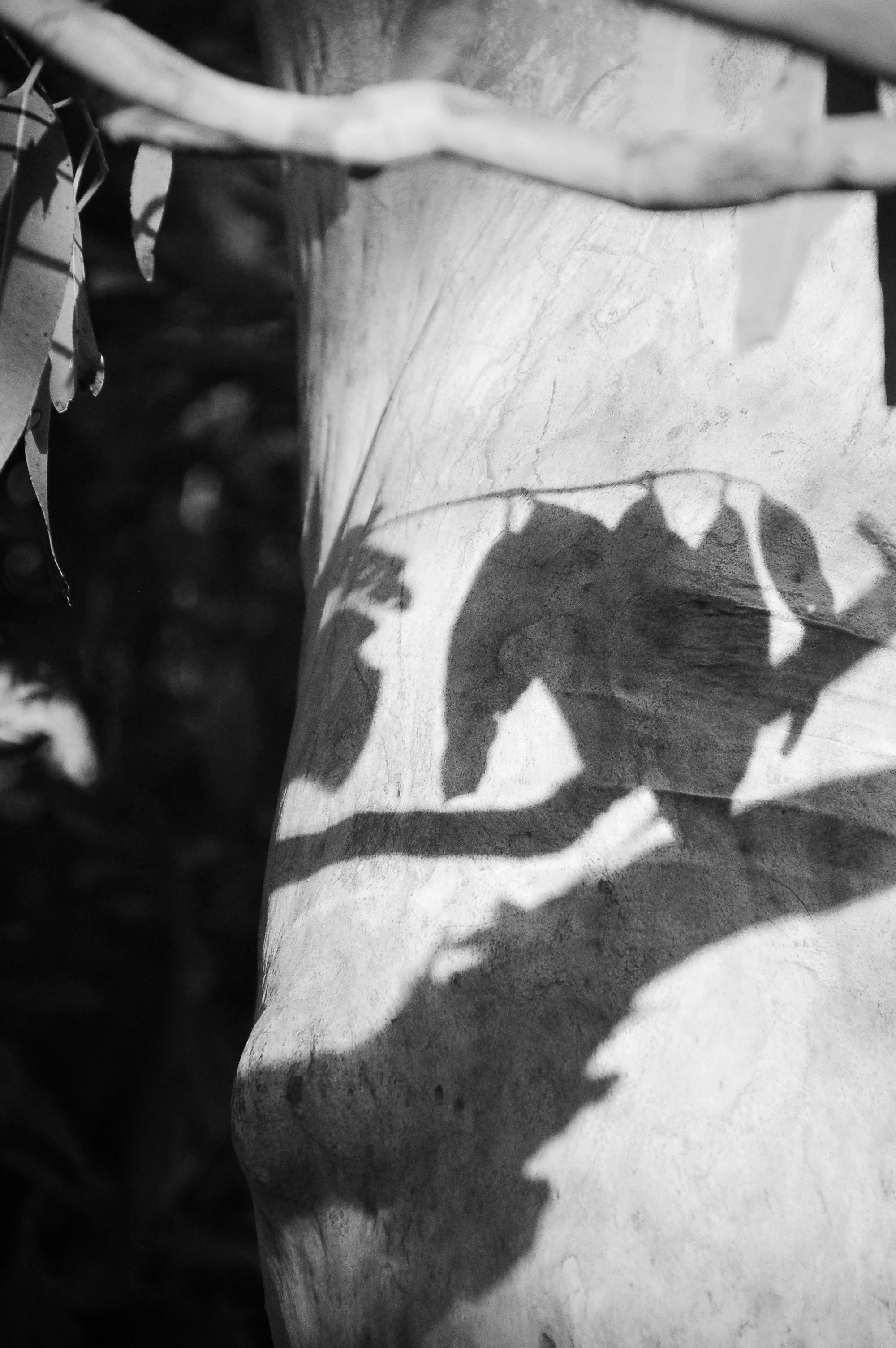
Grounded in physical and human geography, his approach brings environmental systems, cultural histories and lived experience into conversation with design. Through research, fieldwork, spatial analysis and creative practice, he investigates how landscapes have been formed and transformed, how they are understood and experienced, and what these relationships might offer for their futures.
-
Understanding the physical, ecological and spatial conditions of a place.
Geographical investigations bring together geology, geomorphology, hydrology, topography, vegetation, ecological systems and environmental change to establish a deeper understanding of a landscape and its processes.
Drawing on spatial data, existing environmental studies, historical mapping and field observation, this research identifies the geographical relationships and site conditions that can inform design thinking.
Typical contributions: Geographical site readings, landscape and catchment analysis, archival and spatial research, field investigations, mapping, research reports and design opportunities.
-
Revealing the histories, relationships and transformations embedded within landscapes.
Landscapes carry traces of environmental change, human occupation, infrastructure, cultural practices and political histories. Understanding these layers can reveal overlooked stories and challenge established ways of interpreting place.
Taylor's research draws on environmental history, cultural geography and archival investigation to examine how places have evolved and how their histories continue to shape contemporary environments.
Typical contributions: Environmental histories, cultural landscape research, historical mapping, place narratives, landscape interpretation and research informing heritage and adaptive reuse projects.
-
Translating geographical knowledge into ideas for the future.
Research becomes particularly valuable when it informs how a place is imagined and designed. Working alongside landscape architects, architects and urban designers, Taylor helps translate geographical investigations into conceptual frameworks, design principles and spatial opportunities.
This work combines environmental understanding, historical interpretation and creative inquiry to support thoughtful, place-responsive approaches to design.
Typical contributions: Design research, place-based strategies, conceptual frameworks, design principles, research-led workshops, critical design reviews and interdisciplinary collaboration.
-
Communicating the complexity, character and experience of place.
Writing, photography, drawing and visual research offer ways of investigating and communicating landscapes beyond conventional technical analysis.
Taylor works across scholarly and public-facing forms of communication, bringing environmental knowledge, cultural histories and sensory experience into narratives that make the significance of places accessible to wider audiences.
Typical contributions: Research writing, essays, interpretive narratives, exhibition and publication content, photographic research, visual storytelling, public lectures, presentations, and educational programmes.
Reach out at
hello@taylorcoyne.com